
Chronic Pain Conditions
Book a Consultation in Arizona, Utah & Michigan



Defining the condition, understanding its causes, and exploring comprehensive treatment options
Chronic pain is a complex medical condition that extends beyond physical injury alone. It affects the nervous system, musculoskeletal structures, and emotional well-being, often requiring a personalized and multidisciplinary approach for effective management.
Chronic Pain Treatment Options
What Is Chronic Pain?
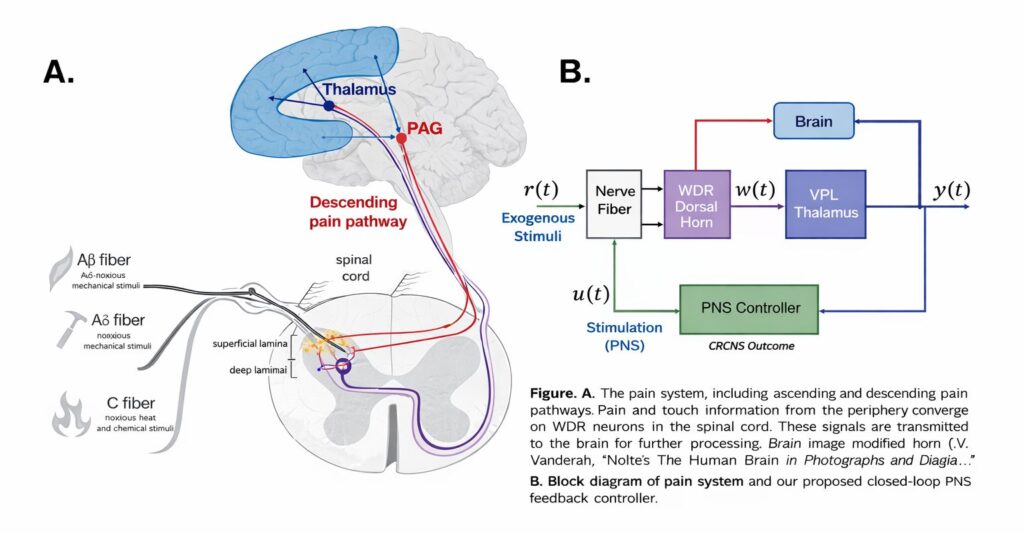
Chronic pain is pain that persists longer than 3–6 months, or continues beyond the normal healing process. Unlike acute pain, chronic pain may exist even after tissues appear healed and is often driven by ongoing inflammation, nerve dysfunction, or altered pain processing in the brain and spinal cord.
As pain persists, the nervous system can become sensitized—meaning pain signals are amplified and triggered more easily. This can lead to secondary symptoms such as fatigue, poor sleep, mood changes, cognitive fog, deconditioning, and reduced quality of life. Effective care must address both the source of pain and the nervous system’s response to it.
Different Types of Chronic Pain
Chronic pain can arise from neurologic injury, musculoskeletal degeneration, inflammatory disease, or central nervous system dysregulation. Below are several common and clinically significant chronic pain conditions that benefit from a comprehensive, biologically informed treatment approach.
About Migraines
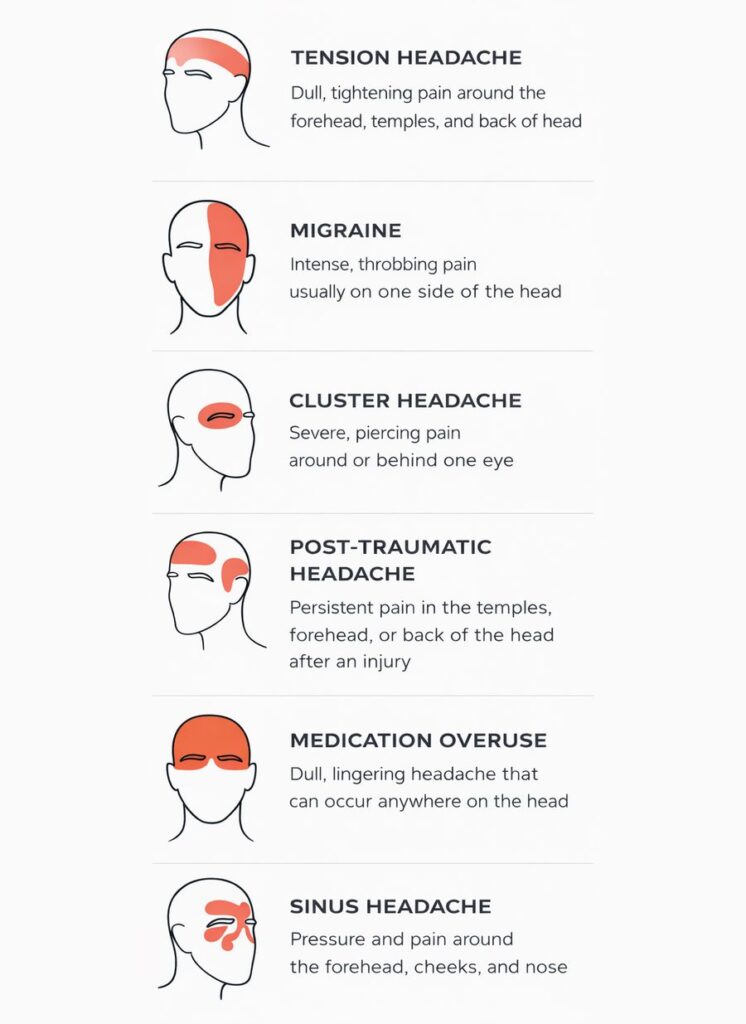
Migraines are a neurological pain disorder, not simply severe headaches. They involve complex interactions between the brain, blood vessels, and sensory nerves, leading to recurrent episodes of moderate to severe head pain often accompanied by nausea, visual changes, and sensory sensitivity.
What Causes Migraines
Migraines are believed to result from abnormal brain signaling and heightened nerve excitability, often influenced by genetic predisposition. Triggers vary widely and may include stress, sleep disruption, dehydration, hormonal fluctuations, dietary factors, weather changes, and chronic inflammation. Over time, repeated migraine episodes can further sensitize pain pathways, increasing frequency and severity.
Migraine Treatment Options
- Preventive Therapies: Preventive strategies aim to stabilize the nervous system, reduce baseline inflammation, and decrease the frequency and intensity of migraine attacks over time.
- Acute Symptom Management: Targeted therapies may be used during active migraine episodes to interrupt pain signaling and relieve associated symptoms such as nausea, light sensitivity, and sound sensitivity.
- Neuromodulatory & Regenerative Approaches: Advanced approaches focus on calming overactive neural pathways, supporting neurologic recovery, and improving long-term migraine control—particularly for patients who have not responded to traditional medications.
About Fibromyalgia
Fibromyalgia is a centralized pain syndrome characterized by widespread musculoskeletal pain, fatigue, sleep disturbances, and cognitive symptoms often referred to as “fibro fog.” Unlike inflammatory arthritis or structural injury, fibromyalgia is driven by abnormal pain amplification within the central nervous system.
Patients often experience heightened sensitivity to touch, pressure, temperature, and stress. Symptoms may fluctuate in severity and are commonly associated with poor sleep quality, mood changes, and reduced physical stamina. Successful treatment focuses on nervous system regulation, inflammation reduction, and restoring restorative sleep.
About Complex Regional Pain Syndrome (CRPS)
CRPS is a severe chronic pain condition that typically develops after trauma, surgery, or nerve injury and causes pain disproportionate to the original event. It most often affects an arm or leg and can progress if not addressed early.
Symptoms may include burning or stabbing pain, swelling, skin color or temperature changes, abnormal sweating, and extreme sensitivity to touch. CRPS involves dysregulation of the nervous, immune, and vascular systems, making early, comprehensive, and multimodal treatment critical for improving outcomes.
About Chronic Low Back Pain
Chronic low back pain persists beyond normal healing timelines and is one of the most common causes of disability worldwide. It may result from degenerative disc disease, facet joint arthritis, muscle imbalance, ligament injury, or nerve sensitization.
In many patients, imaging findings do not fully explain symptom severity. Over time, altered movement patterns, muscle guarding, and nervous system sensitization can perpetuate pain even after the initial injury has healed. Treatment must address biomechanics, inflammation, and pain processing together.
About Peripheral Neuropathy
Peripheral neuropathy is a nerve-related chronic pain condition characterized by burning, tingling, numbness, electric-like sensations, or hypersensitivity, most commonly affecting the hands and feet.
It may be caused by diabetes, chemotherapy, autoimmune disease, toxin exposure, nutritional deficiencies, or chronic inflammation. Symptoms often worsen at night and can impair balance, sleep, and daily function. Supporting nerve health and reducing inflammatory stressors are key components of effective management.
About Failed Back Surgery
What Is Failed Back Surgery
Failed Back Surgery Syndrome (FBSS) refers to persistent or worsening pain following spinal surgery despite technically successful imaging results. Pain may arise from nerve irritation, scar tissue formation, altered spinal mechanics, adjacent segment degeneration, or central nervous system sensitization.
Patients often experience chronic back or leg pain, reduced mobility, emotional distress, and frustration after exhausting traditional surgical and medication-based options.
Treatment Options for Failed Back Surgery
- Pain Pathway & Inflammation Modulation: Care focuses on calming hypersensitized nerves and reducing chronic inflammation that continues to drive pain signals despite surgery.
- Regenerative Support for Tissue & Nerve Health: Biologically focused therapies may help support nerve recovery, improve tissue health, and reduce ongoing pain amplification.
- Comprehensive, Individualized Care: Effective management often requires a multimodal strategy aimed at restoring function, reducing pain reliance on medications, and improving quality of life, rather than repeat surgery.
A Different Approach to Chronic Pain
At ReGen Advanced Infusion & Wellness, chronic pain is treated as a whole-system condition, not just a symptom. Our goal is to reduce pain, restore function, and help patients regain control of their lives through individualized, evidence-informed care.
If chronic pain has limited your ability to work, sleep, exercise, or enjoy life, a personalized evaluation may help uncover new options beyond conventional pain management. Fill out a contact form today to start your recovery and achieve pain-free living!
Find a Location Near You
ReGen Advanced Infusion & Wellness Center offers treatment at three convenient locations:

We are here to help you on your journey to wellness. Call, text, or fill out our contact form to schedule your appointment.

Learn more about the different regenerative treatments and therapies we offer. Let us help you on your journey to health and recovery!

Looking for additional information? Our doctors have written a collection of articles providing you with additional information on a variety of topics.

Discover science-backed information on all of our treatment options. Visit our library of clinical research that supports our approach to enhancing your health and overall quality of life.