
Chronic Organ Dysfunction: Restore Balance
Schedule an Appointment in Arizona, Utah & Michigan



Schedule a mobile service in UT
When body systems fall out of regulation and how restoring balance can improve function and quality of life
Chronic organ dysfunction occurs when one or more body systems fail to regulate properly over time, even when standard testing appears “normal.” Rather than a single structural abnormality, these conditions often reflect dysregulation of the nervous system, immune system, hormonal signaling, and cellular energy production, leading to persistent symptoms that impact daily life.
Chronic Organ Dysfunction Treatment Options
What Is Chronic Organ Dysfunction?
Chronic organ dysfunction refers to impaired function of an organ or system that persists over months or years and is often functional rather than structural. In these conditions, organs may appear normal on imaging or routine labs, yet fail to perform optimally due to inflammation, autonomic imbalance, mitochondrial dysfunction, or immune dysregulation.
Patients may experience fatigue, dizziness, gastrointestinal distress, pain, brain fog, exercise intolerance, sleep disturbance, and reduced resilience to physical or emotional stress. These conditions are frequently interconnected and share common underlying drivers, including chronic inflammation, nervous system sensitization, hormonal imbalance, and impaired cellular energy production.
Understanding Chronic Organ Dysfunction
At the core of chronic organ dysfunction is loss of physiologic regulation. The autonomic nervous system, immune system, endocrine system, and mitochondria work together to maintain homeostasis. When these systems are chronically stressed, inflamed, or depleted, normal signaling breaks down.
Key mechanisms include:
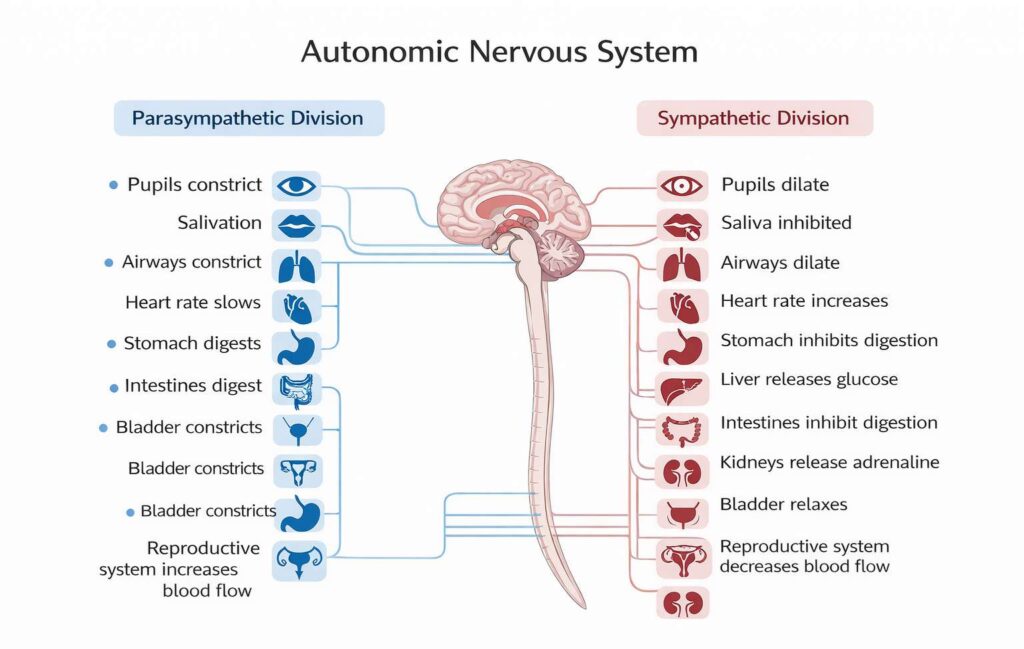
- Autonomic nervous system imbalance, affecting heart rate, blood pressure, digestion, and temperature regulation
- Chronic inflammation, which disrupts tissue signaling and impairs repair processes
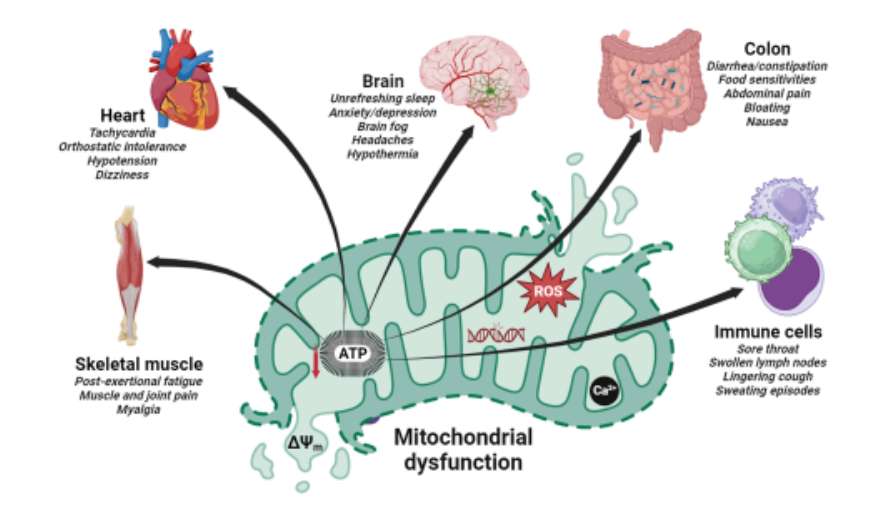
- Mitochondrial dysfunction, leading to impaired cellular energy (ATP) production
- Hormonal and metabolic dysregulation, affecting cortisol, insulin, thyroid, and sex hormones
This results in organs that are structurally intact but functionally impaired, creating symptoms that are real, persistent, and often misunderstood.
POTS (Postural Orthostatic Tachycardia Syndrome)
Postural Orthostatic Tachycardia Syndrome (POTS) is a form of autonomic nervous system dysfunction characterized by an abnormal increase in heart rate upon standing, without an appropriate blood pressure response.
Patients with POTS may experience dizziness, lightheadedness, palpitations, fatigue, exercise intolerance, brain fog, shortness of breath, nausea, and near-syncope. Symptoms are often worsened by dehydration, heat, illness, stress, or prolonged standing.
POTS is commonly associated with chronic inflammation, immune activation, viral illness, connective tissue disorders, and mitochondrial dysfunction. Effective management focuses on restoring autonomic balance, improving vascular tone, supporting cellular energy, and reducing inflammatory stressors.
Irritable Bowel Syndrome (IBS)
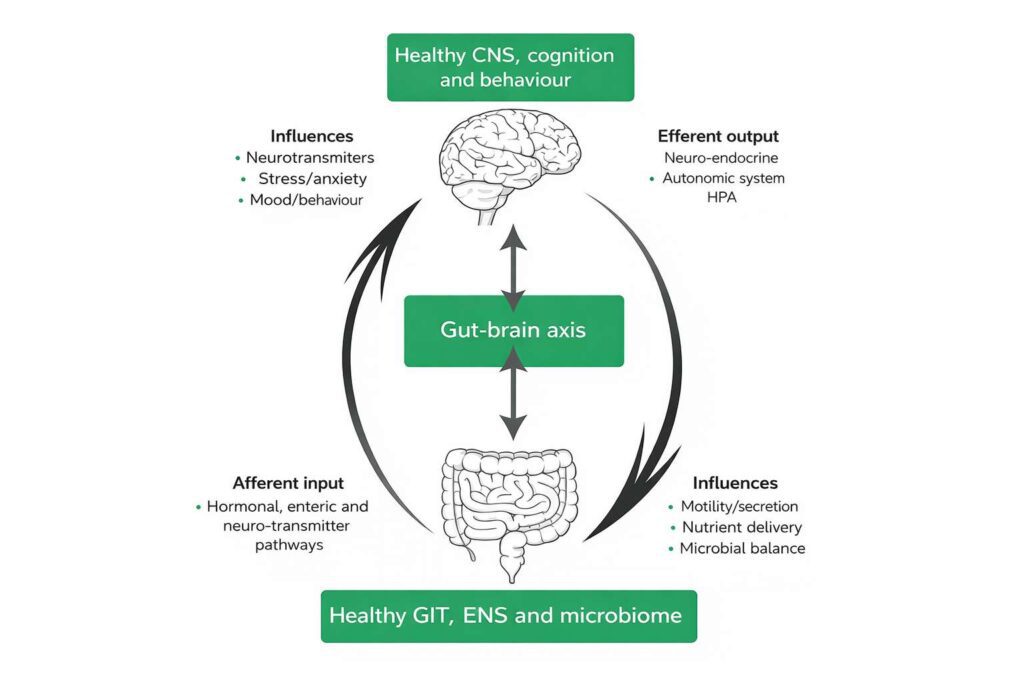
Irritable Bowel Syndrome is a functional gastrointestinal disorder involving altered gut-brain communication rather than structural disease. Patients may experience abdominal pain, bloating, constipation, diarrhea, or alternating bowel patterns.
IBS is closely linked to nervous system dysregulation, gut inflammation, food sensitivities, microbiome imbalance, and stress hormone signaling. The gut’s nervous system is highly sensitive to systemic inflammation and emotional stress, which can amplify symptoms over time.
Because IBS often reflects dysfunction across multiple systems, rather than isolated digestive disease, successful management requires addressing gut integrity, immune activation, nervous system regulation, and metabolic health together.
Chronic Fatigue
Chronic fatigue is characterized by persistent, debilitating exhaustion that is not relieved by rest and is disproportionate to activity level. It may be accompanied by brain fog, sleep disturbance, muscle or joint pain, exercise intolerance, and post-exertional symptom worsening.
Underlying contributors often include mitochondrial dysfunction, chronic inflammation, hormonal imbalance, autonomic dysregulation, and impaired stress response. In these cases, the body’s ability to produce and utilize energy is compromised at a cellular level.
Chronic fatigue is not simply “low energy” it reflects a breakdown in the systems responsible for energy regulation, resilience, and recovery.
The ReGen Approach to Chronic Organ Dysfunction
At ReGen Advanced Infusion & Wellness, chronic organ dysfunction is approached as a systems-level condition, not an isolated diagnosis. Our focus is on identifying the underlying drivers of dysfunction and restoring physiologic balance across interconnected systems.
By addressing inflammation, nervous system regulation, metabolic health, and cellular energy production, we help patients improve function, reduce symptoms, and regain control over their health.
If you are experiencing persistent symptoms that have not been explained, or adequately treated, by conventional care, a comprehensive evaluation may uncover opportunities to restore function and improve quality of life. Call, text, or fill out a contact form today to get in touch with one of our specialists!
Where to Get Chronic Organ Dysfunction Treatment
ReGen Advanced Infusion & Wellness Center offers treatment at three convenient locations:

We are here to help you on your journey to wellness. Call, text, or fill out our contact form to schedule your appointment.

Learn more about the different regenerative treatments and therapies we offer. Let us help you on your journey to health and recovery!

Looking for additional information? Our doctors have written a collection of articles providing you with additional information on a variety of topics.

Discover science-backed information on all of our treatment options. Visit our library of clinical research that supports our approach to enhancing your health and overall quality of life.