
Biologic Regenerative Treatment Options
Advanced therapies designed to support healing, reduce inflammation, and restore function
Biologics are substances derived from natural biological sources that may interact with the body’s existing repair mechanisms. In regenerative-focused care, biologic therapies are often explored for their potential to support tissue health, modulate inflammatory responses, and assist with recovery processes.
These therapies do not involve synthetic drugs or surgical procedures. Instead, they focus on biologically active components that are already present in the body or derived from human-based sources.
Benefits of Biologic Therapy
Harnesses the body’s natural healing power
Supports natural tissue repair and regeneration
Reduces inflammation at the cellular level
Improves joint function and mobility
Accelerates recovery and return to activity
Enhances long-term joint and tissue health
At ReGen Advanced Infusion & Wellness, we take a personalized approach: your symptoms, exam, imaging, goals, and medical history guide which biologic options may be appropriate. Below is a brief overview of our core regenerative services. Each option links to a dedicated page with deeper detail.
Types of Biologic Therapy Options
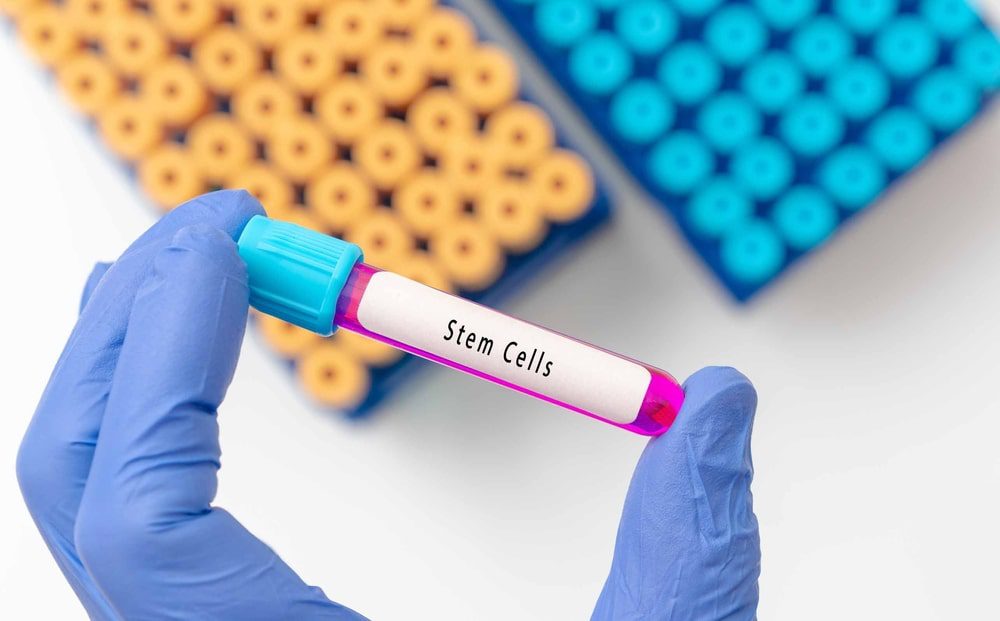
Stem Cells
Stem cell-based therapies are used in regenerative medicine because of their ability to support repair through cell signaling, immune modulation, and tissue-supporting activity. In musculoskeletal care, stem cell approaches are often considered for degenerative joint conditions, cartilage wear, tendon issues, and injuries where the body’s natural repair response may be limited.
Rather than simply masking pain, stem cell-based treatments aim to improve the biological environment of the injured tissue, supporting healthier healing and function.
Exosomes
Exosomes are tiny communication particles released by cells that help regulate inflammation and support tissue repair through cell-to-cell signaling. They carry growth factors and signaling molecules that can influence healing pathways, making them a popular area of regenerative medicine.
Exosome-based therapies are often discussed in the context of recovery support and inflammatory regulation. Because exosomes are an advanced and evolving area of biologics, treatment decisions should be individualized and based on your condition, goals, and current evidence.
PRP (Platelet-Rich Plasma)
PRP is created from your own blood and concentrated to deliver a higher level of platelets and growth factors to the target area. PRP is commonly used for tendon injuries, ligament sprains, muscle injuries, and joint pain, especially when inflammation and micro-tearing limit recovery.
PRP is appealing because it is autologous (from your own body) and designed to support the healing cascade. It can be used alone or as part of a broader regenerative plan depending on the diagnosis and severity.
A2M (Alpha 2 Macroglobulin)
A2M is a naturally occurring protein in the body that helps regulate inflammation by binding to enzymes involved in tissue breakdown. In regenerative musculoskeletal care, A2M is often discussed for joints affected by degenerative changes, particularly when the goal is to reduce the biochemical drivers of cartilage wear.
Think of A2M as a therapy focused on protecting the joint environment by targeting inflammatory and degenerative signaling. Treatment planning depends on symptoms, imaging, and overall joint health.
Peptides
Peptides are short chains of amino acids that act as signaling molecules in the body. In regenerative and performance-focused medicine, certain peptides are used to support recovery, inflammation control, tissue repair, metabolic health, and overall resilience.
Peptide therapy is highly individualized and is often used as part of a broader plan that includes nutrition, lifestyle optimization, and other regenerative treatments. Because peptides vary widely in purpose and mechanism, proper evaluation and medical oversight are essential.
How Biologic Regenerative Therapies Work
While each therapy is different, most biologic regenerative options aim to:
- Calm chronic inflammation that delays healing
- Support tissue repair in tendons, ligaments, cartilage, and joints
- Improve function and mobility by strengthening the environment where healing occurs
- Enhance recovery by supporting the body’s normal regenerative processes
These therapies are not “one-size-fits-all.” The right option depends on diagnosis, severity, prior treatments, timelines, and overall health.
What to Expect at ReGen
Every patient begins with a clinical consultation focused on root cause, diagnosis, and goals. From there, we build a plan that may include biologic regenerative therapies, targeted recovery support, and long-term strategies to improve durability and function.
If you’re dealing with chronic joint pain, recurring injuries, or degenerative changes, and you want options beyond temporary relief, regenerative medicine may offer a meaningful path forward.
Fill out the contact form to get in touch with us today!



ReGen Advanced Infusions in UT

We are here to help you on your journey to wellness. If you can’t find the information you are looking for, reach out to us! We are happy to help answer any of your questions.

Learn more about all of the conditions we treat using these advanced wellness practices. Let us help you on your journey to health and recovery!

Looking for additional information? Our doctors have written a collection of articles providing you with additional information on a variety of topics.
Discover science-backed information on all of our treatment options. Visit our library of clinical research that supports our approach to enhancing your health and overall quality of life.