
Chronic Inflammation
Find Chronic Inflammation Treatment Options



Schedule a mobile service in UT
Understanding the root cause of many chronic conditions and how to restore balance at the cellular level
Chronic inflammation is a silent driver behind many modern health conditions, contributing to pain, fatigue, metabolic dysfunction, autoimmune disease, and accelerated aging. Unlike acute inflammation, which is protective, chronic inflammation places ongoing stress on the body and disrupts normal healing and regulation.
What Is Chronic Inflammation?
Chronic inflammation occurs when the body’s inflammatory response remains persistently activated over weeks, months, or years. Instead of resolving an injury or threat, the immune system stays “turned on,” leading to tissue damage, hormonal imbalance, nervous system dysregulation, and impaired cellular repair.
Chronic Inflammation Treatment Options
Over time, chronic inflammation can manifest as fatigue, brain fog, joint and muscle pain, digestive issues, sleep disruption, mood changes, weight gain, insulin resistance, and increased susceptibility to illness. Addressing inflammation at its source is essential for long-term health and resilience.
Understanding Chronic Inflammation
How inflammation becomes persistent and why it drives chronic disease
Inflammation is a normal and necessary biological response designed to protect the body from injury, infection, or toxins. In acute inflammation, immune cells release chemical messengers, such as cytokines and prostaglandins, to eliminate the threat and initiate healing. Once repair is complete, the inflammatory response is meant to shut off.
Chronic inflammation occurs when this shutdown never fully happens. Instead, the immune system remains persistently activated, continuously releasing inflammatory mediators that damage tissues, disrupt normal signaling, and impair cellular repair.
At the cellular level, chronic inflammation is driven by:
- Persistent cytokine release (e.g., TNF-α, IL-6, CRP), which keeps immune cells activated
- Oxidative stress, leading to mitochondrial dysfunction and impaired energy production
- Hormonal dysregulation, particularly involving cortisol, insulin, and sex hormones
- Immune system imbalance, where the body begins reacting to non-threatening stimuli such as food proteins, stress signals, or environmental exposures
As inflammation becomes chronic, the nervous system also becomes sensitized. Pain pathways, stress responses, and immune signaling begin reinforcing one another, creating a self-perpetuating inflammatory loop. This explains why patients may experience widespread symptoms that seem unrelated, including fatigue, brain fog, joint pain, digestive issues, sleep disturbance, weight gain, mood changes, and chronic pain.
Over time, chronic inflammation contributes to:
- Accelerated aging and tissue degeneration
- Metabolic dysfunction and insulin resistance
- Autoimmune activation
- Chronic pain syndromes
- Cardiovascular and neurologic disease
Breaking this cycle requires more than suppressing symptoms. It requires identifying and addressing the drivers of inflammation while supporting immune regulation, cellular repair, and nervous system balance.

Types of Chronic Inflammation
Chronic inflammation may be driven by hormonal stress, immune reactions, metabolic dysfunction, gut imbalance, environmental exposure, or nervous system overload. Below are several common and clinically relevant causes.
Adrenal Fatigue
What Causes Adrenal Fatigue
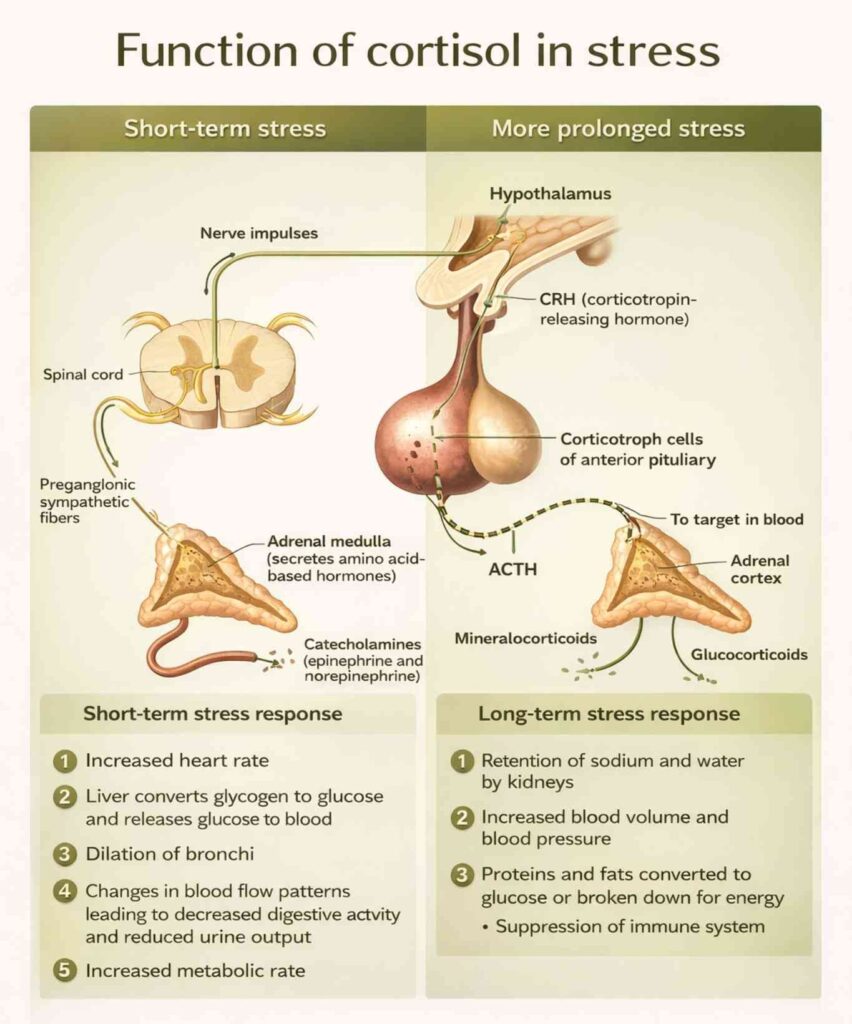
Adrenal fatigue is a functional condition associated with chronic stress exposure and prolonged activation of the stress response system. When the body is under constant physical, emotional, or metabolic stress, cortisol and other stress hormones can become dysregulated.
This imbalance contributes to persistent inflammation, impaired immune function, disrupted sleep-wake cycles, and reduced ability to adapt to daily stressors. Common contributors include long-term psychological stress, poor sleep, overtraining, chronic illness, inflammation, and nutrient depletion.
Adrenal Fatigue Treatment Options
- Stress Response Regulation: Treatment focuses on restoring healthy cortisol rhythms and calming the overactive stress response that perpetuates inflammation.
- Nutritional & Metabolic Support: Targeted nutritional strategies help replenish depleted nutrients essential for adrenal, mitochondrial, and immune function.
- Nervous System & Lifestyle Optimization: Improving sleep quality, circadian rhythm alignment, and stress resilience is critical for reducing inflammatory load and restoring balance.
Food Allergies & Sensitivities
Food allergies and sensitivities are a common and underrecognized driver of chronic inflammation. Unlike classic food allergies that cause immediate reactions, food sensitivities often produce delayed symptoms hours to days after exposure, making them difficult to identify without targeted evaluation.
Chronic exposure to inflammatory foods can disrupt the gut lining, activate immune pathways, and promote systemic inflammation throughout the body. Symptoms may include bloating, abdominal discomfort, fatigue, headaches, joint pain, skin conditions, sinus congestion, mood changes, and cognitive fog. Over time, untreated food sensitivities can contribute to autoimmune activation, metabolic dysfunction, and persistent inflammatory states.
Identifying and removing inflammatory triggers, while restoring gut integrity, is a key step in reducing systemic inflammation and improving overall health.
Insulin Resistance & Metabolic Dysfunction
Insulin resistance is a major contributor to chronic, low-grade inflammation and plays a central role in weight gain, fatigue, cardiovascular disease, joint pain, and accelerated aging. When cells become less responsive to insulin, the body compensates by producing higher insulin levels, further driving inflammation and oxidative stress.
This metabolic imbalance disrupts normal energy utilization, hormone regulation, and cellular repair processes. Over time, insulin resistance contributes to blood sugar instability, increased fat storage, mitochondrial dysfunction, and heightened inflammatory signaling.
Common contributors include poor dietary patterns, chronic stress, sleep disruption, inactivity, hormonal imbalance, and underlying inflammation, creating a self-reinforcing cycle that must be addressed at multiple levels for meaningful improvement.
Gut Dysbiosis & Intestinal Inflammation
An imbalance in gut bacteria or damage to the intestinal lining can lead to persistent immune activation. This allows inflammatory molecules to enter the bloodstream, triggering widespread inflammation and contributing to autoimmune and metabolic conditions.
Symptoms may include digestive discomfort, food sensitivities, fatigue, skin conditions, and mood changes. Gut health is a cornerstone of systemic inflammatory control.
Environmental Toxins & Oxidative Stress
Chronic exposure to environmental toxins places a continuous inflammatory burden on the body. Common sources include air and water pollutants, heavy metals, pesticides, plastics, industrial chemicals, and endocrine disruptors found in everyday products.
These toxins impair mitochondrial function, increase oxidative stress, and overwhelm detoxification pathways, leading to persistent immune activation. Over time, toxin-driven
inflammation can contribute to fatigue, brain fog, hormonal imbalance, immune dysfunction, neurologic symptoms, and increased susceptibility to chronic disease.
Reducing toxic load while supporting detoxification and cellular repair is essential for lowering inflammation, improving resilience, and protecting long-term health, especially in individuals with chronic symptoms that do not respond to conventional treatments.
The ReGen Approach to Chronic Inflammation
At ReGen Advanced Infusion & Wellness, chronic inflammation is addressed as a root-cause condition, not just a symptom. Our approach focuses on identifying inflammatory drivers, restoring physiologic balance, and supporting the body’s innate ability to heal.
By combining advanced diagnostics, targeted therapies, and personalized treatment plans, we help patients reduce inflammation, improve energy, optimize performance, and protect long-term health.
If chronic inflammation is impacting your energy, cognition, pain levels, or overall wellness, a comprehensive evaluation may reveal solutions beyond traditional symptom-based care. Contact us today to schedule an appointment!
Begin Your Chronic Inflammation Assessment
ReGen Advanced Infusion & Wellness Center offers treatment at three convenient locations:

We are here to help you on your journey to wellness. Call, text, or fill out our contact form to schedule your appointment.

Learn more about the different regenerative treatments and therapies we offer. Let us help you on your journey to health and recovery!

Looking for additional information? Our doctors have written a collection of articles providing you with additional information on a variety of topics.

Discover science-backed information on all of our treatment options. Visit our library of clinical research that supports our approach to enhancing your health and overall quality of life.